.png)
Nordic Grannycore: The Cosy Aesthetic That Makes Life Feel Slower
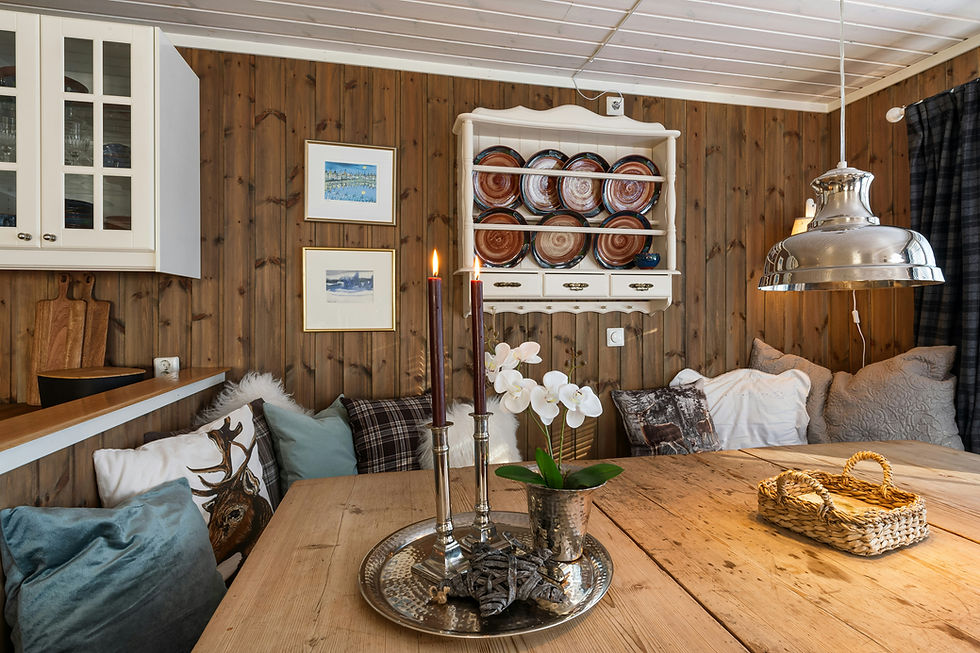
There is a particular aesthetic that seems to hum quietly through Nordic life, especially in the colder half of the year, when the light is low and the air has a certain honesty to it. It isn’t new, and it isn’t trying to be. It’s what might be called Nordic Grannycore—a soft, practical, deeply rooted way of living that feels both nostalgic and entirely contemporary at the same time.
At its heart, it is not really about style at all. It is about rhythm. Slower rhythms, seasonal rhythms, the kind that ask you to stay close to home, close to hand, and close to the things you can make yourself.
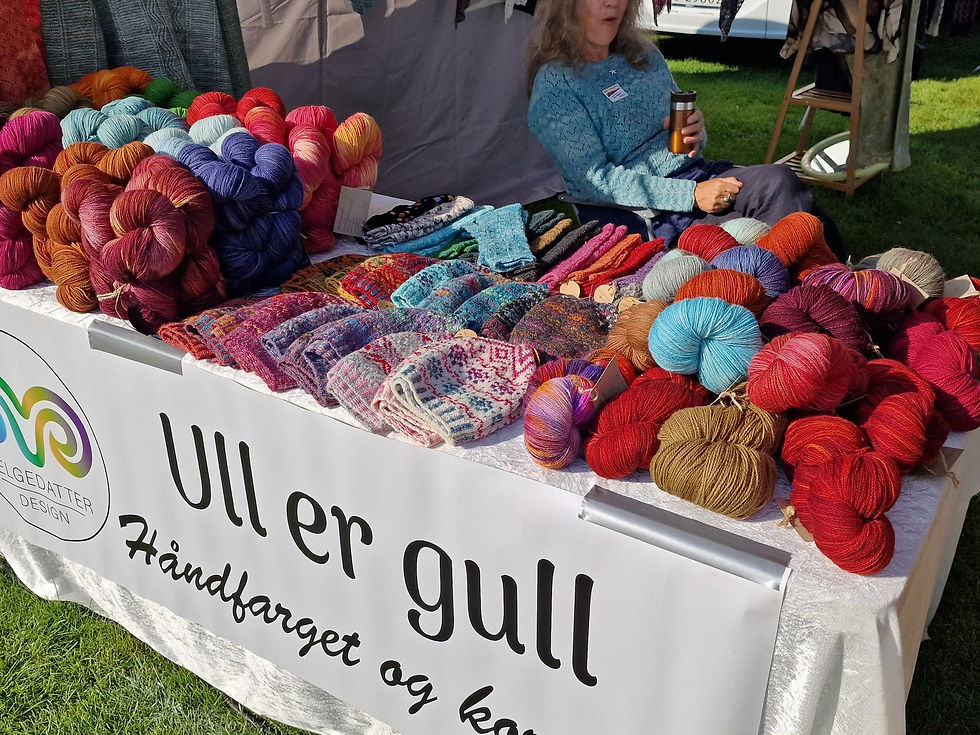
Knitting: the quiet architecture of winter
Knitting sits at the centre of this aesthetic like a steady heartbeat. In Nordic Grannycore, it is not a quaint hobby—it is a form of quiet necessity and expression.
There is knitting for gifts: socks that are slightly uneven but perfectly warm, mittens in colours that only make sense to the person who chose them, scarves that carry hours of thought in every row. These are not objects bought in haste; they are slow offerings of time.
There is knitting for winter itself. When the dark comes early and the wind presses against the windows, the repetition of needles becomes a kind of meditation. Wool grows slowly between the fingers, like a second language spoken without words.
And then there are knitting cafés—small, warm pockets of community where tables are shared with yarn spilling like soft rivers. Coffee steams, conversations drift between patterns and life updates, and nobody is in a hurry. It is social, but not loud. Connected, but not demanding. The kind of togetherness that feels sustainable.

Baking: comfort in the kitchen
If knitting is structure, baking is atmosphere. In Nordic Grannycore, baking is less about perfection and more about presence. It is rye bread cooling on a wooden board. Cinnamon buns that are slightly too brown on the edges because someone was talking and forgot the timer. Crisp flatbreads made from ancient grains that have survived more winters than any of us.
Baking here is deeply sensory. The smell travels through stairwells and out into cold air, becoming a kind of invitation. It draws neighbours closer without needing explanation. You bake because it is Tuesday, because it is snowing, because someone is coming over and that feels like reason enough.
Nothing is overly decorated. Everything is honest. Butter is generous and most definitely not apologised for.
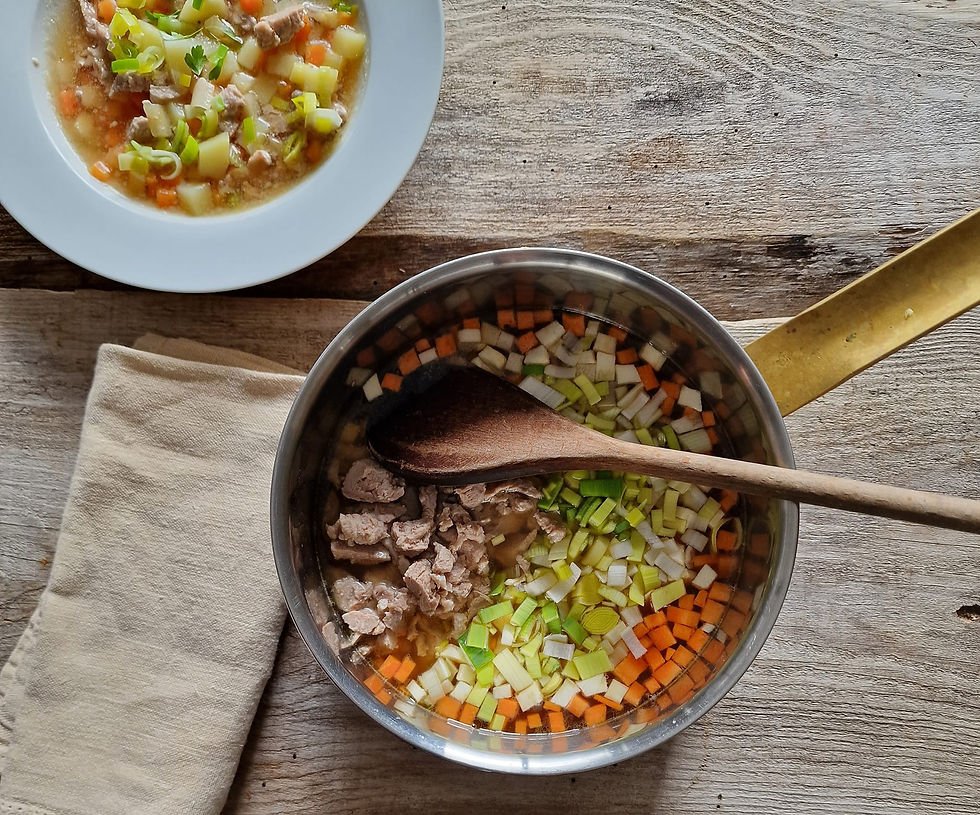
Cooking from scratch: the discipline of care
Cooking from scratch is not seen as wellness or trend, but as continuity and tradition. It is how meals have always been made in places where distance and weather once dictated everything.
Soups begin with bones or roots or whatever the season allows. Fish is prepared simply, with respect rather than embellishment. Potatoes are not a side thought—they are a foundation. There is a quiet pride in knowing how to make something delicious and nourishing out of very little.
This kind of cooking slows time down. It means you have to be in the kitchen long enough for your thoughts to settle. It is not about culinary performance; it is about feeding people in a way that feels steady and grounded. There is comfort in knowing that skills like these do not disappear when electricity fails or supermarkets are inconvenient. They remain.
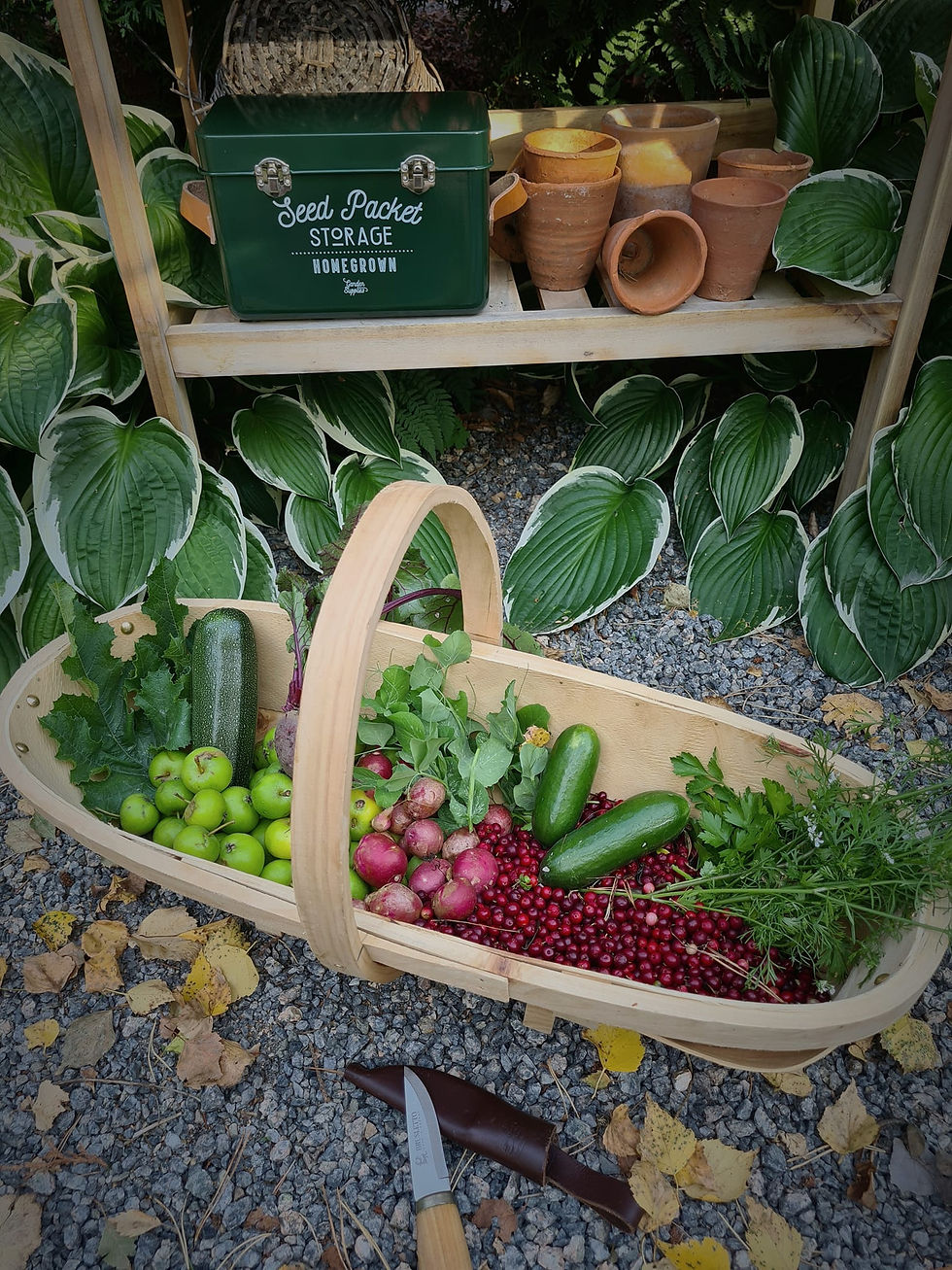
Growing the garden: small acts against forgetting
Even in northern climates where the growing season is brief, gardening is part of the Nordic Grannycore landscape. It is not about abundance; it is about attention.
Raised beds in small backyards. Herb pots on window ledges. Rows of potatoes that seem almost modest in their ambition. Rhubarb that returns every year like an old friend who never overstays their welcome.
Gardening here teaches patience in a very literal way. Nothing can be rushed. You plant, you wait, you watch the light change, and you accept what the season gives you. There is a humility in that relationship with the earth, a reminder that not everything is meant to be controlled.
And when things do grow, there is a quiet satisfaction in it—not triumph, but gratitude.

Fermenting: time as an ingredient
Fermenting feels especially aligned with Nordic Grannycore because it requires surrender. You prepare, you wait, and then you trust something invisible to do its work.
Cabbage becomes sauerkraut. Milk becomes skyr or yoghurt. Vegetables shift slowly into sharper, deeper versions of themselves. The jars sit on shelves like small experiments in patience.
There is something almost philosophical about it: transformation that cannot be rushed, only observed. Fermenting teaches that decay and creation are not opposites but part of the same process. It fits neatly into a worldview shaped by long winters and short summers, where preservation is not nostalgic but practical.
Slow hiking trips: walking as belonging
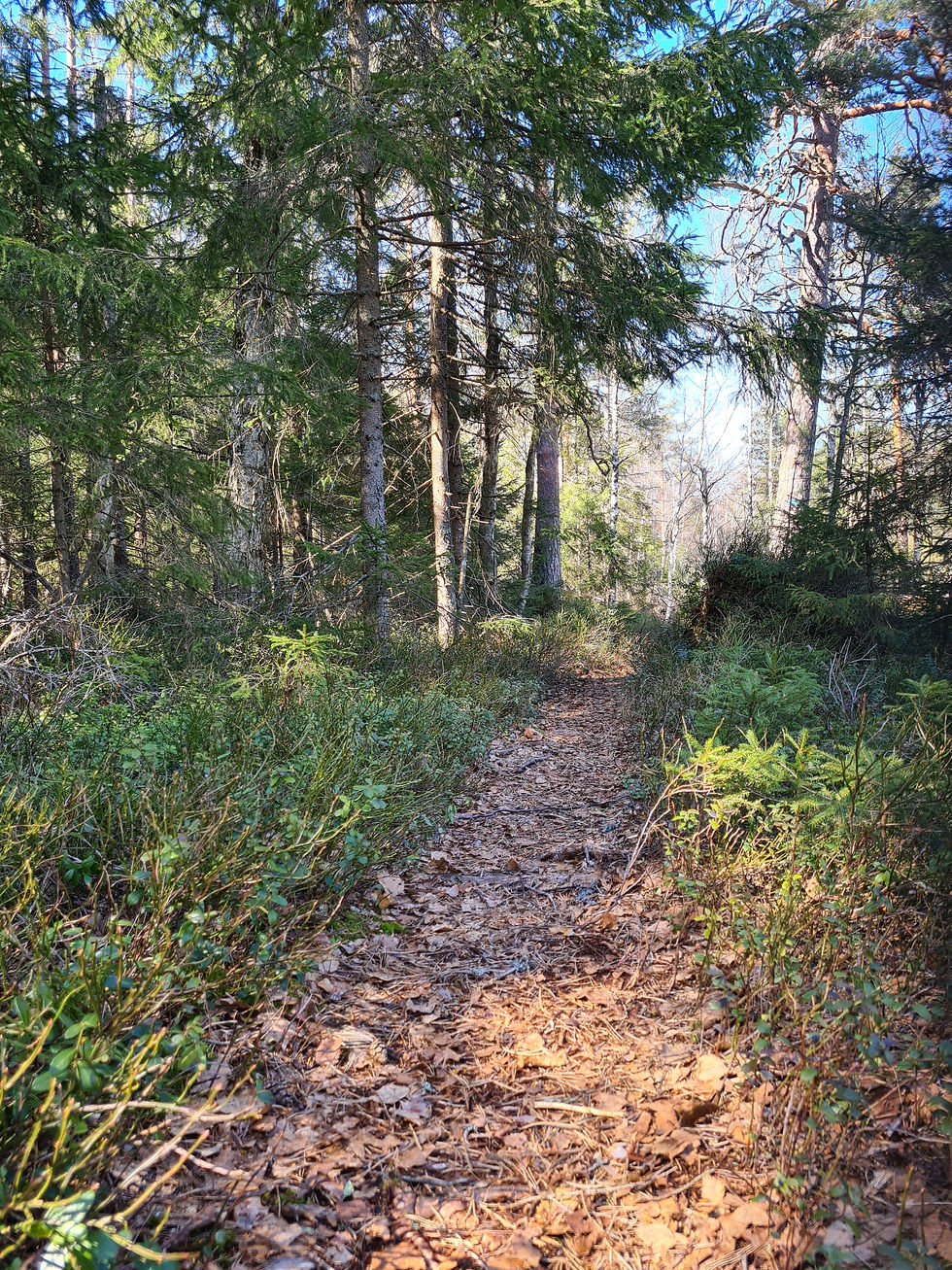
And then there is walking—slow hiking trips through forests, along coastlines, across terrain that changes subtly with every season.
In Nordic Grannycore, hiking is not performance or fitness tracking. It is movement without urgency. You stop often. You notice moss like velvet, the way birch bark curls, the sound of water under ice. You might carry coffee in a thermos and drink it sitting on a rock that has been there far longer than you will be.
These walks are not about distance covered but about attention given. They are a way of remembering that the landscape is not separate from daily life—it is the backdrop, the companion, the constant presence that shapes everything else.
A way of living, not a look
Nordic Grannycore, at its most honest, is not an aesthetic to be adopted so much as a way of remembering what already works. It is knitting because your hands want something to do. It is baking because warmth is a form of generosity. It is cooking, gardening, fermenting, walking—not as content, but as continuity.
It resists urgency. It resists excess. It finds beauty in repetition and usefulness in slowness.
And perhaps that is what makes it quietly compelling: it is not trying to become anything new. It is simply staying close to what has always been enough.


Comments